How 'banana republics' figure in Latin American literature
Nobel laureates Gabriel Garcia Marquez and Pablo Neruda are but two authors whose famous works reflect the impact of foreign interventionism in Latin America.
Inspired by the effects of foreign interventionism
Across Latin America, political upheavals linked to foreign interventions, corporate power and authoritarian rule didn't stay confined to history books. They entered literature, poetry and popular imagination, with influential authors across the region — including several Nobel laureates — transforming these experiences into unforgettable stories.
Miguel Angel Asturias: 'The Banana Trilogy' (1950-1960)
Guatemalan Nobel literature laureate Miguel Angel Asturias exposed the exploitation of indigenous populations on banana plantations via "Strong Wind" (1950), "The Green Pope" (1954) and "The Eyes of the Interred" (1960). His portrayal of political pressure, labor abuses and foreign corporate control helped define the original realities that summed up the term "banana republic."
Pablo Neruda: 'The United Fruit Company' (1950)
Perhaps the lines of the Chilean Nobel literature laureate's 1950 poem best sum it up: "The United Fruit Company, reserved for itself the most juicy piece, the central coast of my world, the delicate waist of America. It rebaptized these countries 'Banana Republics'..." It is widely said that the "delicate waist" referred to Central American countries.
Gabriel Garcia Marquez: 'One Hundred Years of Solitude' (1967)
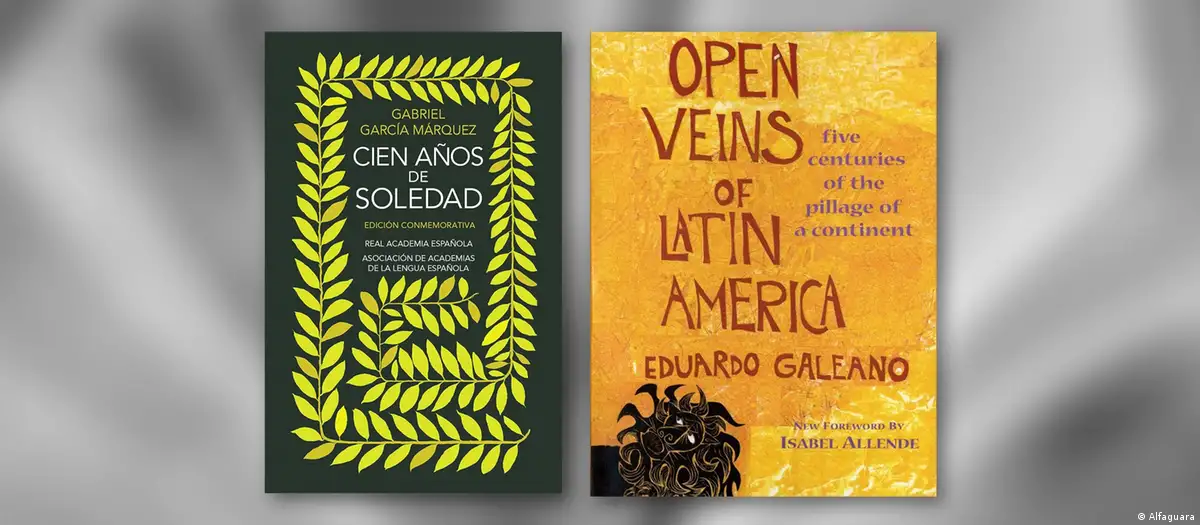
Garcia Marquez based a key episode in his 1967 book "One Hundred Years of Solitude" on the 1928 banana massacre that took place in Cienaga, Colombia. In his fictional town of Macondo, plantation workers wanting fair pay and basic rights are killed. The event is erased from official memory, echoing how the real massacre was downplayed by the government and the US-backed United Fruit Company.
Eduardo Galeano: 'Open Veins of Latin America' (1971)
Writer, journalist and activist Galeano's "Open Veins of Latin America" was so incendiary it was intially banned by the military regimes of Chile, Argentina and his native Uruguay. It traces how, over centuries, foreign powers extracted the region's gold, silver, oil and tin, among other things, enriching Europe and the US while stripping Latin America of its natural resources.
Isabel Allende: 'The House of the Spirits' (1982)
Set in a fictional South American country closely resembling her native Chile, Allende's family saga follows its protagonists as society shifts from democratic reform to military rule. It centers around the rise of a foreign-backed Pinochet‑like dictatorship, echoing the 1973 coup that overthrew her uncle, President Salvador Allende, and shows how political violence breaks families and futures.
Mario Vargas Llosa: 'Harsh Times' (2019)
Peruvian author and Nobel laureate Vargas Llosa was 85 when he published "Harsh Times." Set in Guatemala, the novel revisits the 1954 overthrow of elected President Jacobo Arbenz after he challenged United Fruit's land empire. Through protagonists like Marta Borrero and Johnny Abbes Garcia, Vargas Llosa blends fact and fiction to reveal how propaganda and Cold War politics reshaped the country.