France: Ex-Lafarge CEO jailed for funding Syrian jihadists
April 13, 2026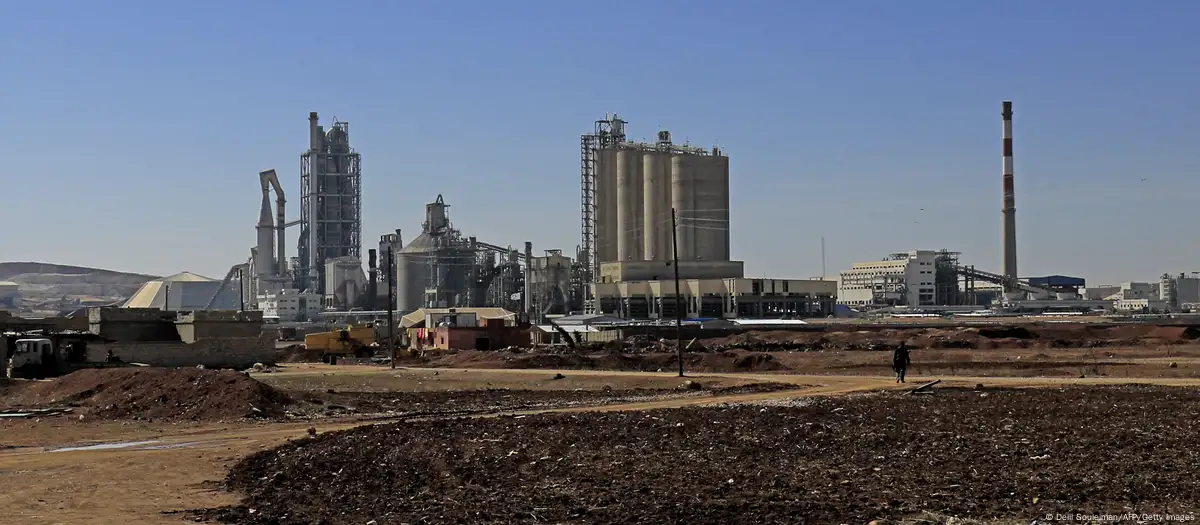
A Paris court on Monday found the former CEO of Lafarge, Bruno Lafont, and eight other former employees guilty of financing terrorism in Syria.
Lafont has reportedly been jailed for six years and the company ordered to pay a 1.125 million euro fine ($1.3 million). Seven other employees were also found guilty on terrorism charges.
Judges determined that the world's largest cement manufacturer had funnelled some €5.6 million ($6.53 million) to groups including the "Islamic State"(IS) and Nusra Front in order to keep their operations in the country going.
"These payments took the form of a genuine commercial partnership with the Islamic State," said presiding Judge Isabelle Prevost-Desprez
Why was Lafarge involved in Syria?
A subsidiary of the Swiss building conglomerate Holcim, Lafarge is a major player in the construction industry worldwide.
In 2010, it invested €680 million into a factory in Syria, just a year before the country would be engulfed in Civil War for over a decade. While most multinationals had pulled out of Syria by 2012, Lafarge evacuated only its expatriate employees and left its Syrian workforce in place.
Before the French case, it had already pled guilty in a US suit to funding "IS" and Nusra Front between 2013 and 2015 so that its Jalabiya plant could keep running.
At the time, it was well-known that the groups were participating in torture, enslavement, and mass killings in the regions they occupied, which at times included the Lafarge plant.
The case marked the first time in France that a whole company was tried for financing terrorism.
Edited by: Darko Janjevic