Young Czechs drink less beer, but risk other addictions
May 17, 2026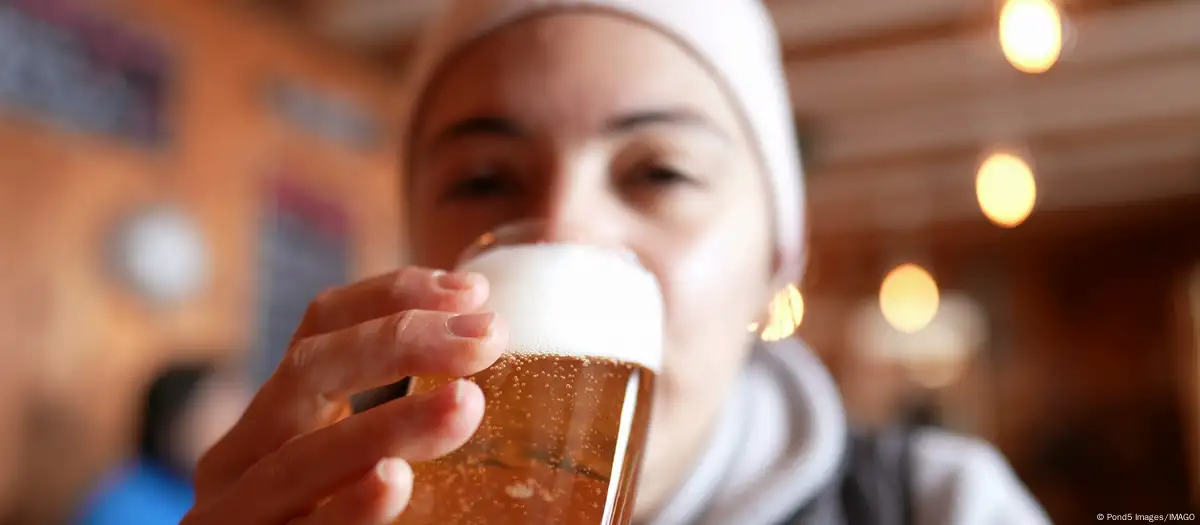
The Czech Republic, which boasts a population of 10 million, is a famously beer-loving nation. Nobody in the world drinks as much beer as the Czechs do — for decades, they have nabbed the top spot for most per capita beer consumption lists, only occasionally ranking second. Traditionally, the pub has formed the heart of a Czech community, being a place for people to meet, play cards, and discuss life, politics and literature. Beer, pubs and lively conversation have also been depicted in the works of the Czech writers Jaroslav Hasek, Bohumil Hrabal and Jaroslav Rudis.
For centuries, beer has played a role in what is now known as the Czech Republic. Even during times of economic decline when the country, then known as Czechoslovakia, was under communist rule, Czech beer, particularly Pilsner, continued to be exported to large parts of the world. Today, several cases of Pilsner Urquell that have been blessed are sent to the Vatican each Easter. Whether any of the popes actually drink the beer is uncertain.
Pilsner's competitor Budvar, which is based in the city of Ceske Budejovice and is best known for the original Budweiser, is one of the few companies in the country that withstood the pressure to privatize after the fall of communism and remains state-owned to this day.
Beer consumption down to 120 liters per capita
News about beer prices, consumption, production, sales and exports is still followed with great interest in the Czech Republic. The recent announcement by the Czech Beer and Malt Association that beer consumption in the Czech Republic had fallen to a historic low of 121 liters per capita in 2025 even overshadowed reports of rising diesel and gasoline prices in conjunction with Israel and the US' war with Iran.
"Every Czech drank eight fewer large beers last year than in 2024," noted the public broadcaster Cesky rozhlas, which gave a great deal of attention to the subject alongside other media outlets.
"In recent years, Czechs have been placing greater emphasis on moderate consumption and leading healthier lifestyles," explained Tomas Slunecko, head of the Czech Beer and Malt Association. "And when they do go out for a beer, they are more interested in the variety of options available and in quality rather than quantity. This is also reflected in the long-term rise in interest in non-alcoholic beers." Furthermore, people are increasingly drinking beer outside of pubs and restaurants, according to the association.
Last year, only about a quarter of the beers sold in the Czech Republic was consumed in pubs and restaurants. Subsequently, the association has called on the government to lower the VAT on draft beer to help boost beer consumption in drinking and eating establishments, where the average price of half a liter (about 1 pint) has risen from 40 to between 50 and 60 korunas (€1.60 to between €2.00 and €2.50, or $1.90 to between $2.40 and $2.90). The consumption of beer has also fallen significantly in countries to which Czech beer is exported, such as Germany.
In 2025, beer production in the Czech Republic fell by 4.3% to barely 2,000 million liters (440 million gallons).
Good news for health
Many representatives of the older generation of Czechs may view this news of the decline in beer consumption as a negative development signaling the decline of tradition. But doctors, addiction specialists and even some politicians say this development is actually positive.
"Many Czechs still feel that beer isn't alcohol, but part of Czech identity," Tom Philipp, a former deputy health minister and member of the Czechoslovak People's Party (KDU-CSL), told DW. For him, it is a good sign that beer consumption is down from almost 160 liters per person 20 years ago, to just above 120 today. "We are gradually moving away from drinking beer along the lines of 'the more, the better' toward a mindset that says it's OK to drink less or nothing at all — and that is good news for health and safety reasons."
Despite the fact that many younger Czechs tend to drink less than their older relatives, alcohol consumption still remains high even among adolescents and the risk of addiction persists. "It is very concerning that alcohol serves as a substitute for a lack of counseling and support services among young people," Katerina Duspivova, a senior analyst at the Prague-based Czech Institute for Empirical Research (STEM), told DW. According to the 2024 European School Survey Project on Alcohol and Other Drugs (ESPAD), 14% of 16-year-olds in the Czech Republic said that they drank alcohol to forget their problems and 11% said they turned to alcohol when they felt depressed.
But among many young Czechs, alcohol is not considered as "cool" as it perhaps once was. However, among those who do not drink it at all, there are other addiction risks, said Duspivova. "Changes in young people's behavior are also confirmed by the Czech Monitoring Center for Drugs and Addiction (NMC). According to their data, there has been a decline in alcohol consumption among younger generations. But they are more frequently using new, unregulated substances and engaging excessively in social media and online gaming instead."
"Young Czechs are spending more time in the virtual world, but they still have to grapple with the problems of the real world," she added. "And in this area, we have a lot of catching up to do. This is also confirmed by data on the mental well-being of individual generations."
This article was originally written in German.