Nigeria to hold presidential election in January 2027
February 13, 2026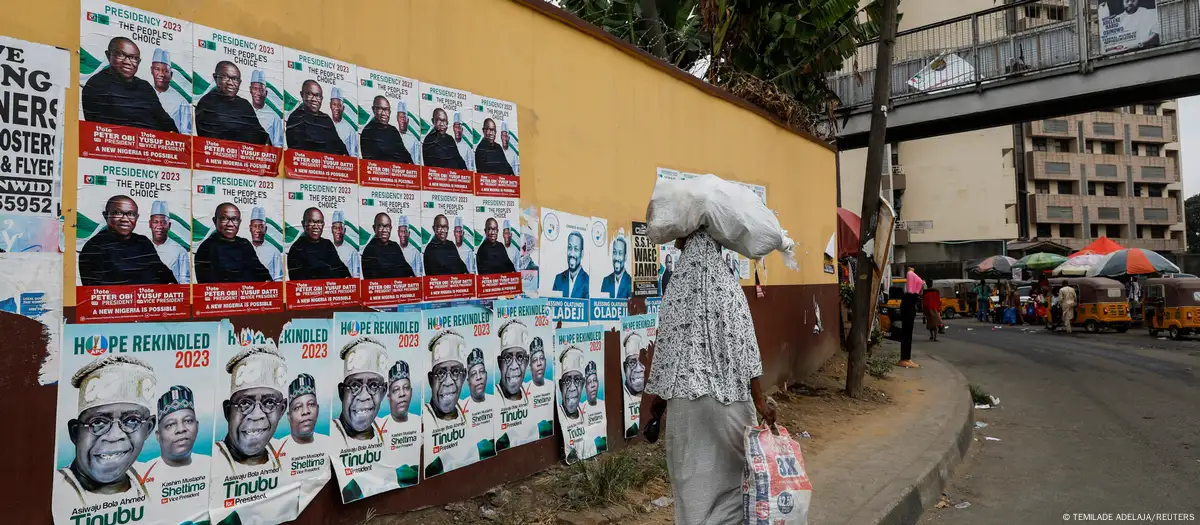
Nigeria, Africa's most populous country, will hold its presidential and parliamentary election on January 16, 2027.
The Independent National Electoral Commission (INEC) announced it brought the vote forward from its original date.
The election had previously been scheduled for February 20, 2027, but that date was criticised by the Muslim community because it coincided with the fasting month of Ramadan.
Governorship and State Houses of Assembly elections will be held on February 6 instead of March 6.
Although INEC has introduced technology over the past decade to improve the integrity of election outcomes, it has had little success boosting public confidence, and post-election litigation remains commonplace.
Earlier this week, the Senate, the upper house, passed an amendment authorizing the real-time electronic transmission of election results. It had initially rejected the measure in the face of popular and political pressure.
Tinubu under pressure at home and abroad
Nigerian President Bola Ahmed Tinubu faces mounting international pressure, particularly from the United States, over deteriorating security and rising jihadist attacks and kidnappings.
Many Nigerians are also criticizing Tinubu's economic reforms because rampant inflation, rising costs and the plummeting value of the naira against the dollar have divided the country.
The president is seeking reelection, and his supporters argue the reforms were necessary to stimulate long-term investment.
Tinubu was first elected president in February 2023, winning the first round with about 36% of the vote against Atiku Abubakar and Peter Obi. The latter has already announced his intention to run again in the 2027 election.
Voter turnout was just 26%, eight percentage points lower than in the previous election. To win in the first round, a presidential candidate must secure at least 25% of the vote in more than two-thirds of the country's 36 states and the federal capital.
Editor's note: This story has been updated to reflect a change in the date of Nigeria's 2027 presidential election.
Edited by: Louis Oelofse