Belgian diplomat faces trial over 1961 Congo leader killing
March 17, 2026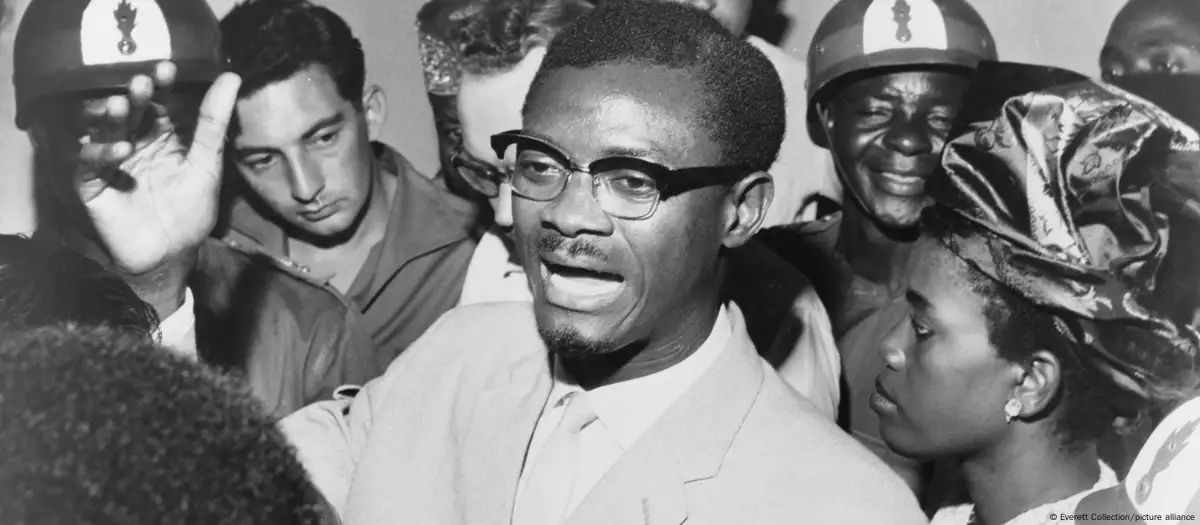
A Brussels court on Tuesday ruled that Etienne Davignon, a 93-year-old former Belgian diplomat, must stand trial over war crimes linked to the 1961 assassination of Patrice Lumumba, the first prime minister of Democratic Republic of Congo.
Davignon, a former European commissioner, was among ten Belgians accused by Lumumba's family of complicity in his murder. The other nine suspects have since died, leaving Davignon as the only surviving accused.
If convicted, he would be the first Belgian official in more than six decades to be held accountable for Lumumba's death.
A 'historic' ruling, Lumumba's grandson says
"Belgium is finally confronting its history," said Mehdi Lumumba.
Prosecutors said Davignon played a role in Lumumba's unlawful detention, transfer, and denial of an impartial trial. They added that Davignon subjected Lumumba to "humiliating and degrading treatment."
The defendant's lawyers denied all the charges and argued that the events occurred too long ago to be prosecuted.
Belgium reckons with decades-old colonial crime
Lumumba was 35 when he was killed.
He rose to power when Congo gained independence from Belgium in 1960, but months later he was ousted and assassinated by Belgian-backed secessionist forces in Katanga. After his death, his body was dissolved in acid and never recovered.
At the time of the assassination, Davignon was a young diplomat involved in Congolese independence talks. He later became vice president of the European Commission in the 1980s.
Lumumba's family lawyer described Davignon as "a link in the chain" of what he called a "disastrous state-sponsored criminal enterprise."
The Brussels court went beyond prosecutors' requests and widened the scope of the trial to include Lumumba's allies Maurice Mpolo and Joseph Okito, who were killed alongside him.
"It's a gigantic victory," said the family's lawyer Christophe Marchand. "No one believed when we first brought the case in 2011 that Belgium would seriously investigate this. It's very hard for a country to judge its own colonial crimes."
Lumumba's only known remains returned to DR Congo
The long-running investigation has already uncovered grim traces of what followed Lumumba's killing. In 2022, the only known remains of Lumumba - a single tooth - were returned to Congo inside a coffin.
The tooth had been seized from the daughter of a Belgian police officer implicated in the disappearance of Lumumba's body.
The handover included official apologies from then-Belgian Prime Minister Alexander De Croo, who acknowledged Belgium's "moral responsibility" and the failure of officials who "chose not to see" and "not to act."
Lumumba remains an anti-colonial icon in Congo.
Edited by: Dmytro Hubenko