Kolkata's historic trams near end of the line
The old trams rumbling through the Indian megacity are set to make way for faster modes of transport, like buses and subways, with only a short nostalgic route to remain. Local citizens and tram fans are outraged.
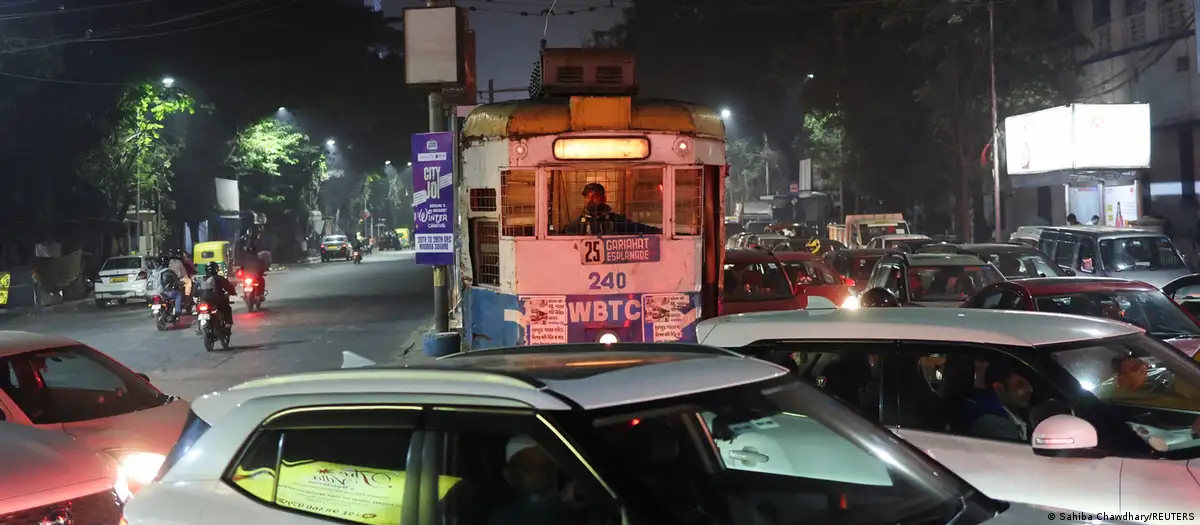
Nostalgic commute
These trams have been rumbling past Kolkata's crumbling colonial facades for more than 150 years. They have carried generations of commuters, and their ringing bells have become part of the cityscape.
On the way out?
But the West Bengal government wants to shut down almost the entire tram network, leaving only a short nostalgic route. The plans have been met with resistance from residents and preservationists. "As children, we would take the trams for fun, but as I grew older it became a necessity," said Abha Maity, 44, recalling rides to school and college. "I can't imagine Kolkata without them."
Making way for speed
In February 2025, Kolkata celebrated the 152nd anniversary of the iconic tram network. But now, the megacity in eastern India is modernizing its infrastructure and focusing on faster modes of transport such as buses.
Only a handful left
"When I joined, more than 340 trams were running. Now it's down to seven or eight," Bacchu Sidda, a conductor with 36 years of service, told Reuters. In the picture, he is checking his duty roster in the last tram depot still in operation. When the government sold such depots and decommissioned trams, the citizens' initiative CTUA (Calcutta Tram Users Association) took legal action.
True tram enthusiasts
"I love my trams more than myself," said 19-year-old Deep Das, a journalism student and CTUA member. "If they disappear, it will be like a part of my body has left me." But despite protests, the authorities are investing billions in Kolkata's infrastructure, focusing on expanding the subway system, widening roads and building new highways to combat traffic congestion.
Living reminder of the past
The fate of Kolkata's aging trams currently depends on a court review. Until a final decision is made, they will continue to be used by some passengers, a living reminder of the city's past.