Is traditional South Korean wrestling dying out?
As modern South Korean pop culture gains global acclaim, traditional Korean wrestling fades from the spotlight. Why is Ssireum, a UNESCO-listed sport, no longer as popular as it was?
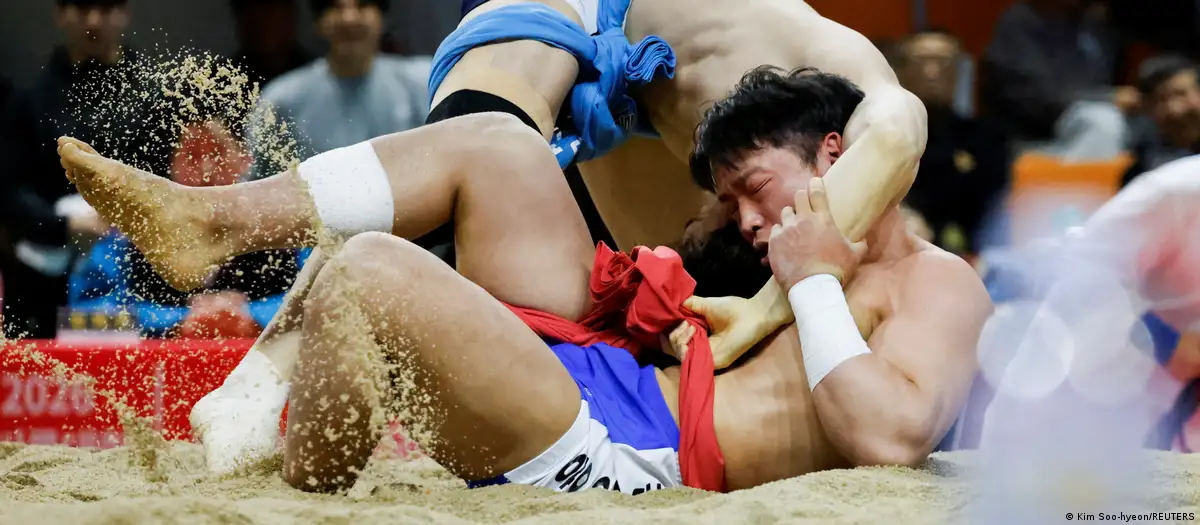
Ssireum's heyday has passed
Traditional South Korean wrestling, or Ssireum, enjoyed its greatest popularity in the 1980s and 1990s. Back then, up to eight Korean teams competed against each other and top wrestlers enjoyed celebrity status. But today, Ssireum has become a niche sport.
Desperate for young talent
Twenty-year-old Lee Eun-soo has been a passionate Ssireum wrestler since age 9. This year, he is competing in the Lunar New Year tournament. He says he cannot imagine what his life would have been like without the sport. Yet fewer and fewer youngster want to wrestle. Lee Eun-soo's former school may shut down its Ssireum team due to lack of interest.
Ssireum has a long history
Traditional Korean wrestling dates back 1,500 years. Its rules are simple: two wrestlers face off inside an eight-meter sand ring wearing a satba, or thick cloth belt. They marshal strength, balance and endurance to bring their opponent to the ground.
Thrilling entertainment
Spectators attending the Lunar New Year tournament cheer as wrestlers go head-to-head. Lee Tae-hyun, a professor of martial arts and former Ssireum wrestler himself, is certain the sport can become popular once more if given the right support — not unlike traditional Japanese sumo wrestling, where major tournaments are held to this day.
Ssireum is UNESCO-listed
Korean wrestling was added to UNESCO's Intangible Cultural Heritage list in 2018. However, this international recognition has done little to raise the sport's profile within the country. Few people even know the sport, says Lee Hye-soo, a young spectator at the Lunar New Year tournament, who was introduced to Ssireum through her grandfather.
A niche sport
Brightly colored light sticks are popular with some die-hard Ssireum fans. "This is not a sport people will come to watch if they don't know the wrestlers, let alone Ssireum," professor Lee Tae-hyun observes. That's why he tirelessly promotes Korean wrestling at home and abroad.
Will Ssireum make a comeback?
Lee Eun-soo made it all the way into the final, though didn't clinch victory after all. While South Korea's cultural influence grows around the globe, Ssireum fans and athletes hope their beloved sport may make a comeback. "I think it would be good if Ssireum got more attention," Lee Hye soo says.